High-Level Meeting of Police Oversight and Anti-Corruption Authorities under the title “Upholding Integrity: Urgent Challenges in a Changing World”
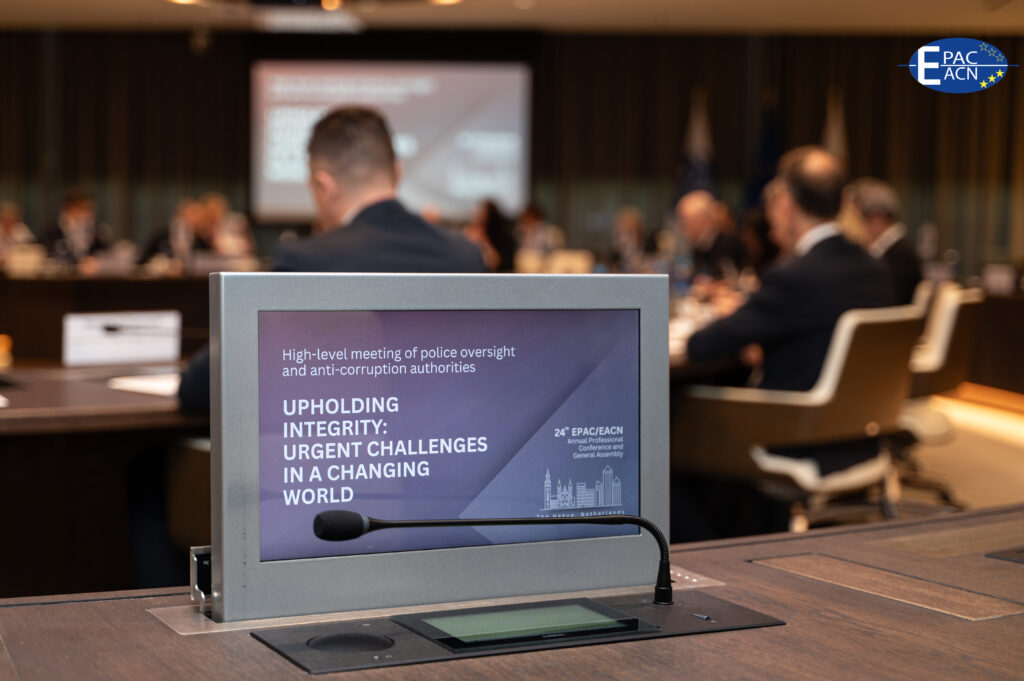
As corruption risks become more complex and intertwined with geopolitical, digital, and cross-border threats, police oversight and anti-corruption authorities must adapt quickly to safeguard democratic institutions and public trust. The High-Level Meeting hosted by Eurojust in The Hague convened senior European and EU-level representatives to reflect on urgent integrity challenges, exchange strategic perspectives, and strengthen cooperation to confront evolving corruption schemes.
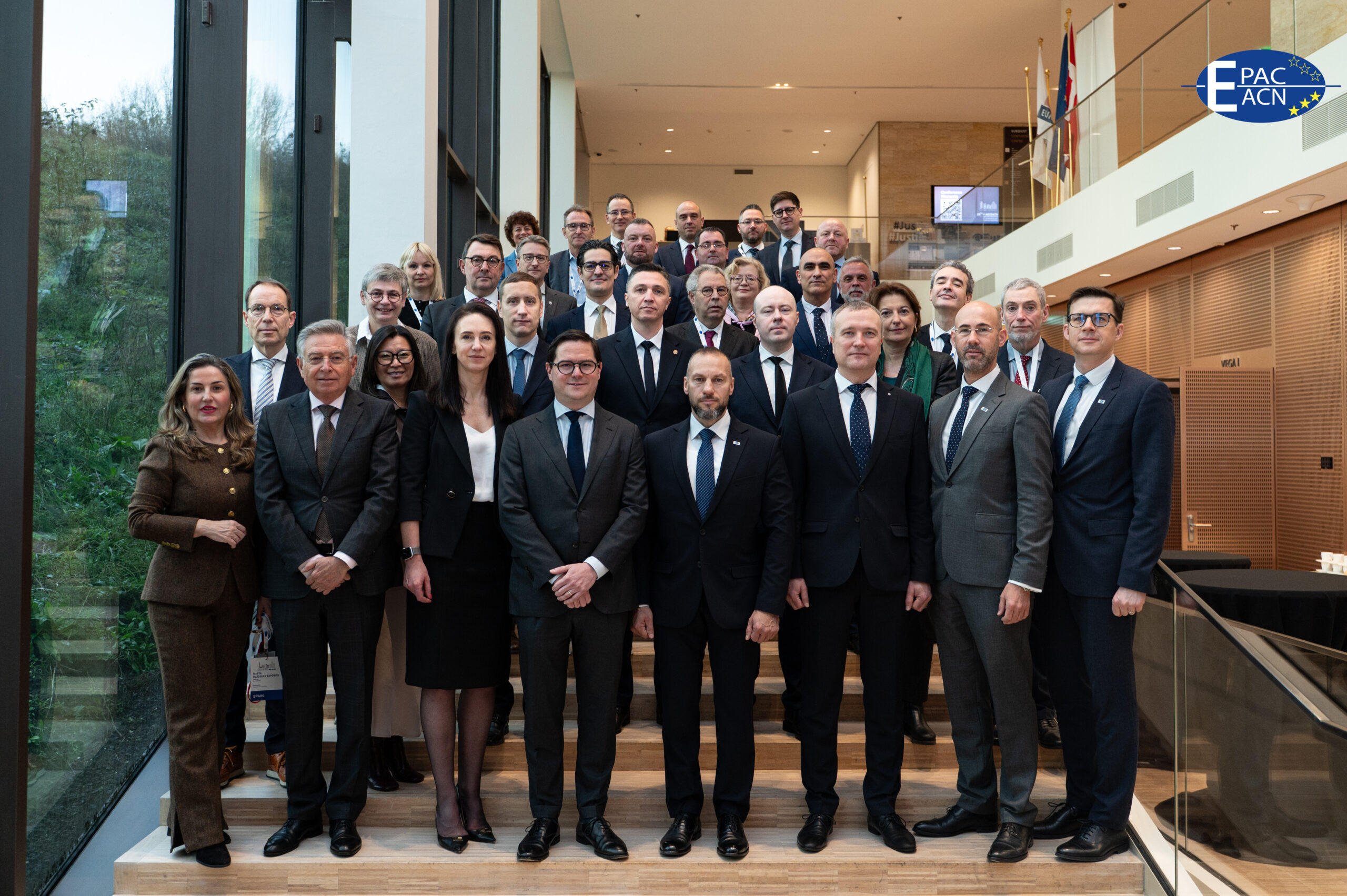
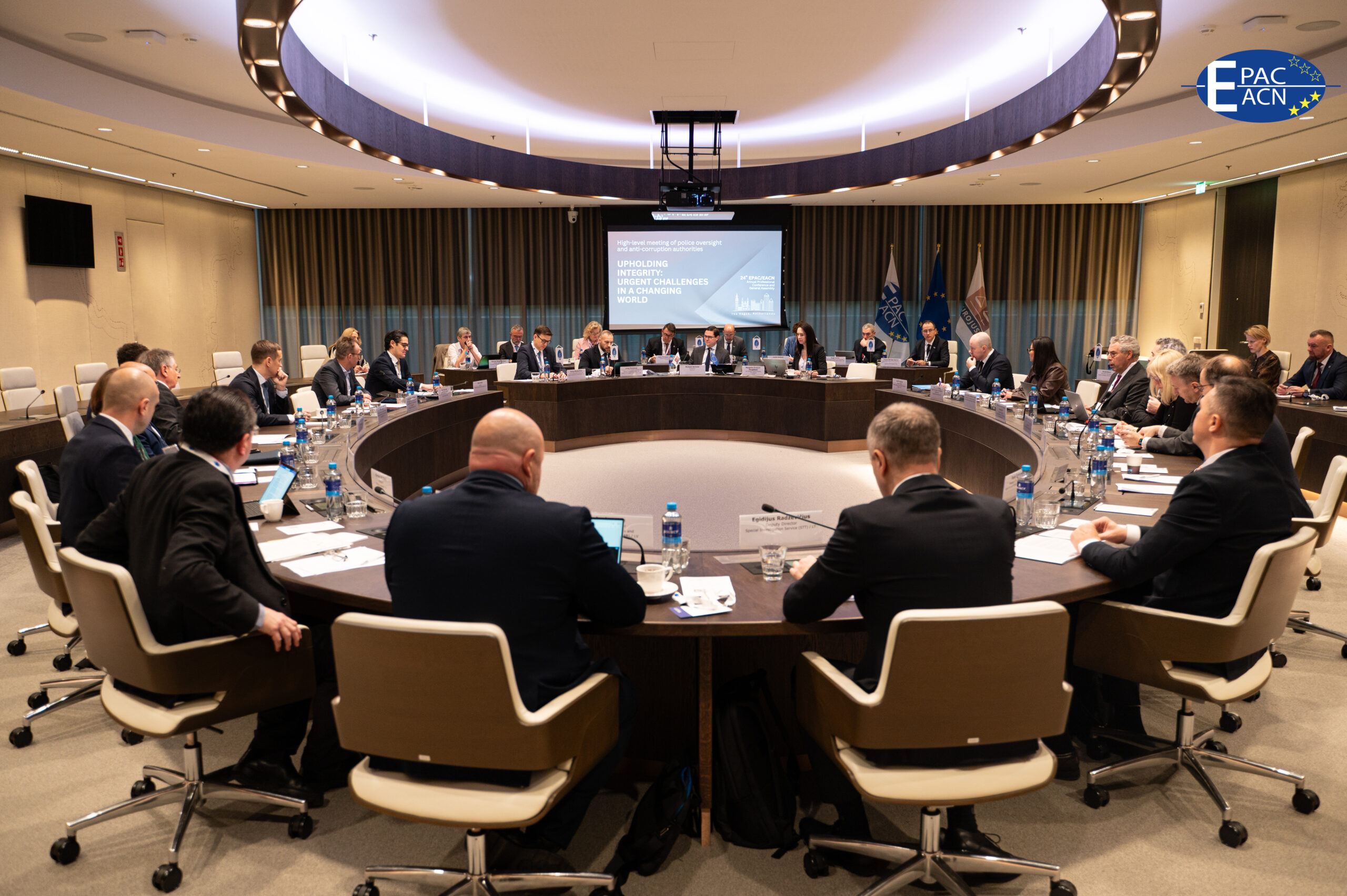
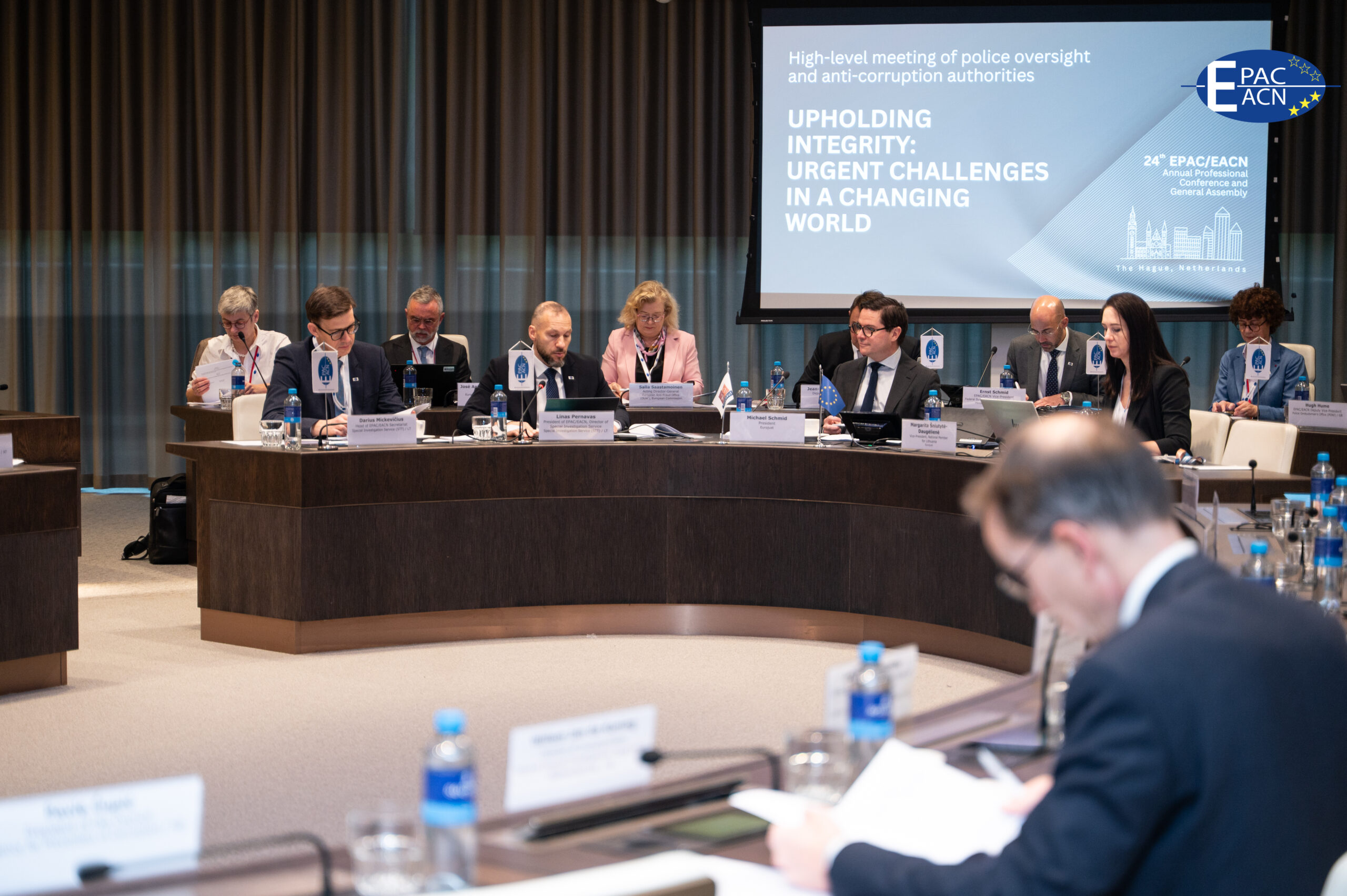
On 24 November 2025, in the margins of the 24th EPAC/EACN Annual Professional Conference and General Assembly, a group of high-level representatives from national police oversight bodies, anti-corruption authorities, and judicial institutions gathered at Eurojust in The Hague for the High-Level Meeting of Police Oversight and Anti-Corruption Authorities (HLM). The discussion held under the rules of the Chatham House brought together more than thirty senior officials from across Europe, along with representatives of EU bodies and agencies, including the European Commission, Europol, the European Public Prosecutor’s Office, and the European Anti-Fraud Office (OLAF).
The meeting was convened at a time of rapidly evolving corruption risks, marked by geopolitical tensions, hybrid threats, digital vulnerabilities, and increasing pressure on law enforcement and oversight systems. Participants engaged in a strategic, closed-door dialogue focusing on corruption’s impact on security, democratic governance, public trust, and the rule of law. They explored how institutional integrity can be strengthened across Europe, what capacities are needed to detect and address sophisticated corruption schemes, and how national and EU-level actors can improve cooperation to counter threats that cross borders and sectors.
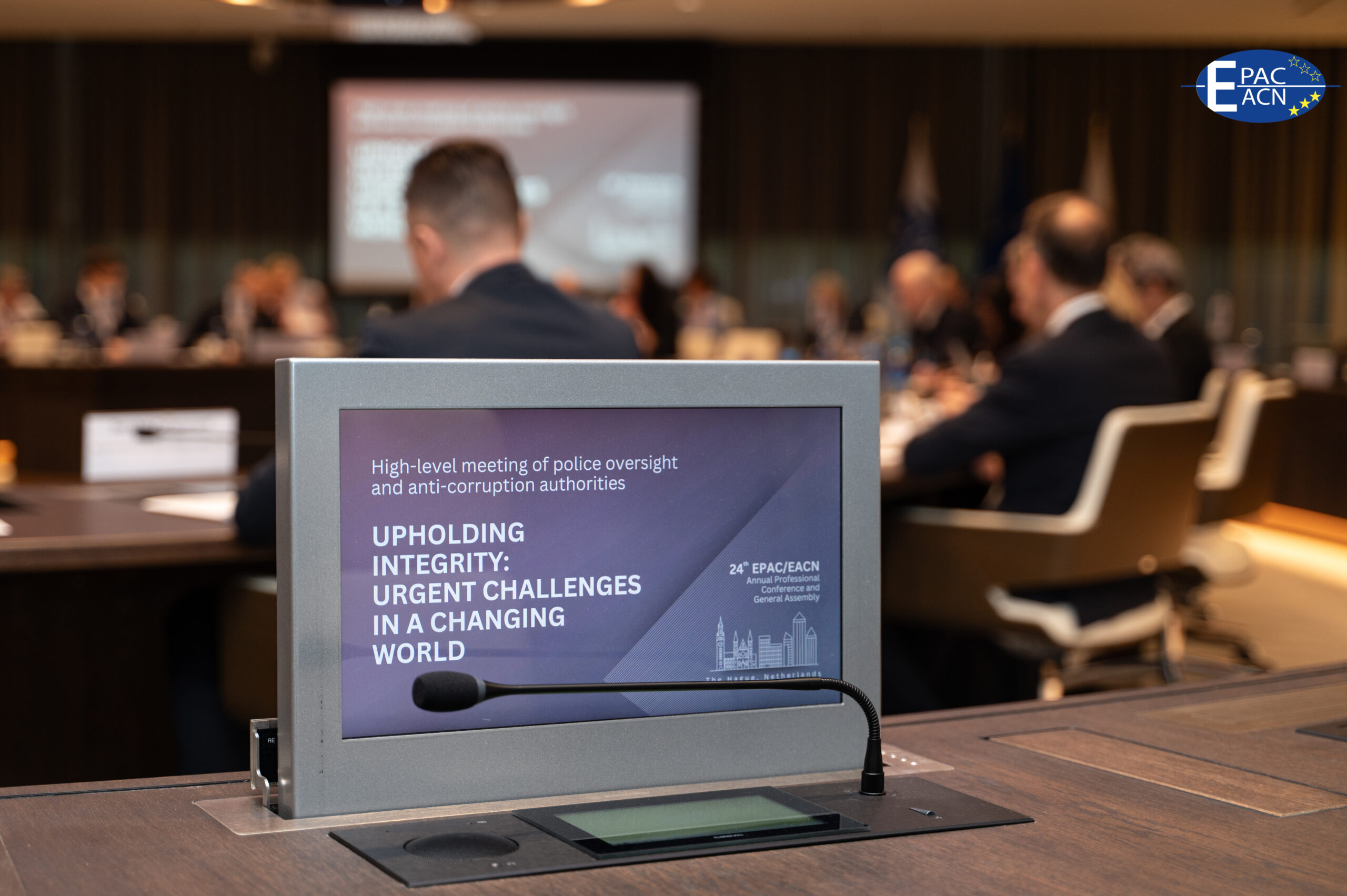
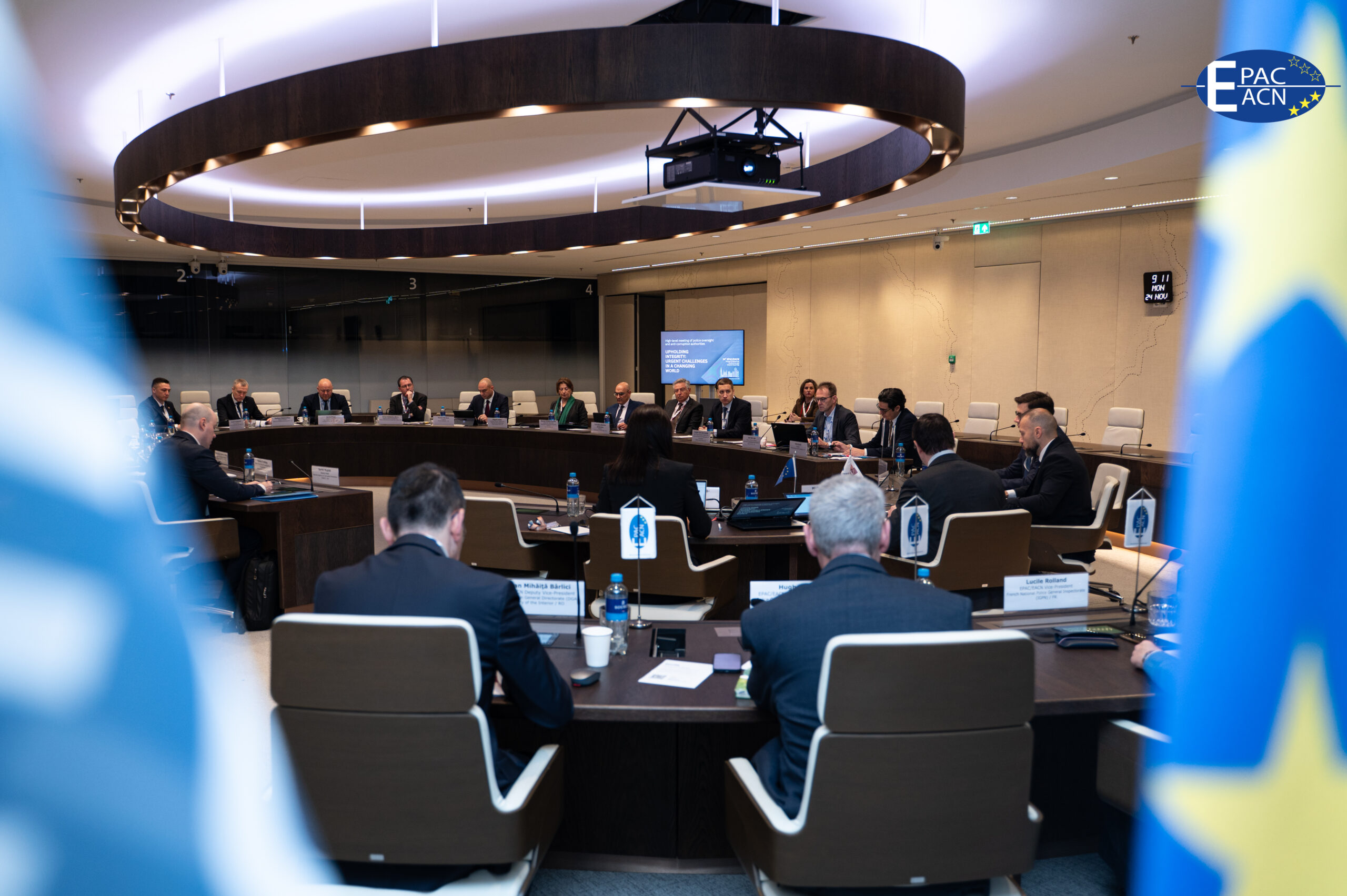
The High-Level Meeting provided an opportunity to reflect on four overarching questions shaping today’s anti-corruption landscape:
- how corruption affects current global and regional developments;
- what skills and resources authorities need to uncover complex and concealed corruption schemes;
- what barriers impede the prosecution of high-level corrupt actors;
- and how combined efforts across sectors can create a more resilient, transparent, and accountable system of governance.
Against this backdrop, participants exchanged national experiences and presented concrete proposals for strengthening cross-border cooperation, improving analytical and investigative capacities, and reinforcing the role of EPAC/EACN as a platform for peer learning, exchange of expertise and information, and collective action.
The discussion acknowledged corruption as a multidimensional challenge that undermines development, human rights, institutional resilience, economic stability, and democratic legitimacy. Participants underlined the growing interconnectedness between corruption, organised crime, foreign influence, cyber-enabled crime, and illicit financial flows. Against this backdrop, the HLM aimed to clarify what skills, resources, and strategies are required to identify hidden corruption mechanisms, protect public institutions from internal and external vulnerabilities, and ensure accountability for both public officials and private-sector actors involved in wrongdoing.
Throughout the exchanges, special attention was given to persistent difficulties in bringing high-level and cross-border corruption cases to justice, including legislative gaps, limited access to financial intelligence, insufficient asset recovery tools, and the increasing technological sophistication of criminal networks. The meeting also emphasised the importance of strengthening preventive measures, cultivating integrity in public institutions, ensuring the independence of oversight and anti-corruption bodies, and enhancing cooperation between law enforcement, judicial and administrative authorities, civil society, and private-sector partners.
The Co-Chairs Summary of the discussion is available here.