Emerging Technologies Redefine Global Anti-Corruption Efforts: Insights from EPAC/EACN and OECD at UNCAC COSP11
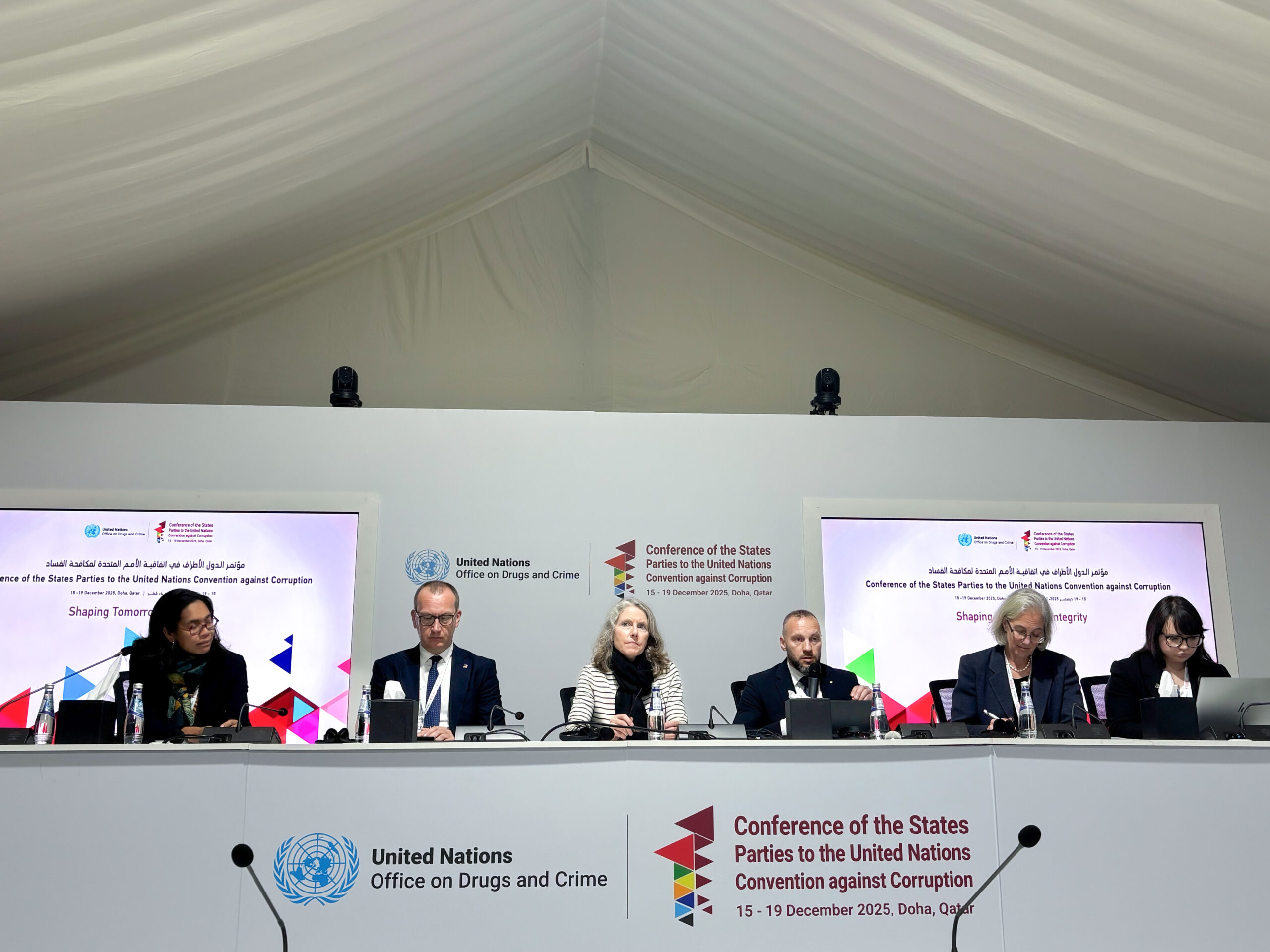
The European Partners against Corruption and the European Contact-Point Network against Corruption (EPAC/EACN), in cooperation with the Organisation for Economic Co-operation and Development (OECD), hosted a high-level side event titled “Harnessing Emerging Technologies to Combat Corruption” during the Eleventh Session of the Conference of the States Parties to the United Nations Convention against Corruption (UNCAC COSP11).
The event gathered representatives from leading international organisations, national authorities, and civil society, including experts from the EPAC/EACN, OECD Working Group on Bribery, the World Bank, Transparency International, European Cybercrime Centre of Europol, and regional anti-corruption bodies. Participants discussed how innovative technologies are reshaping anti-corruption practices and strengthening integrity systems worldwide.
Speaking at the event, Linas Pernavas, President of EPAC/EACN, highlighted the transformative potential of technology in building more resilient governance systems:
“Emerging technologies are transforming the way we understand and address corruption. When institutions share data, analyse entire systems – not just individual cases – and base decisions on reliable evidence, we create stronger and more resilient integrity frameworks. Technology is not a substitute for leadership, but it empowers leaders to act earlier, see risks more clearly, and earn the trust of the people they serve.”
Aligned with the COSP11 theme “Emerging tech: reshaping the fight against corruption”, the session explored practical ways in which technology can enhance investigations, improve transparency, and support evidence-based policy-making.
The discussion underscored how data openness, interinstitutional sharing, and systemic analysis can significantly strengthen anti-corruption work. Emerging technologies allow institutions to move beyond fragmented information, identify broader patterns and risks, and apply proactive, sector-wide analytics that help detect issues before they escalate. Participants stressed that data-driven decision-making must become a standard practice, enabling more targeted and sustainable reforms. Transparent, evidence-based action was also highlighted as key to building and maintaining public trust.